
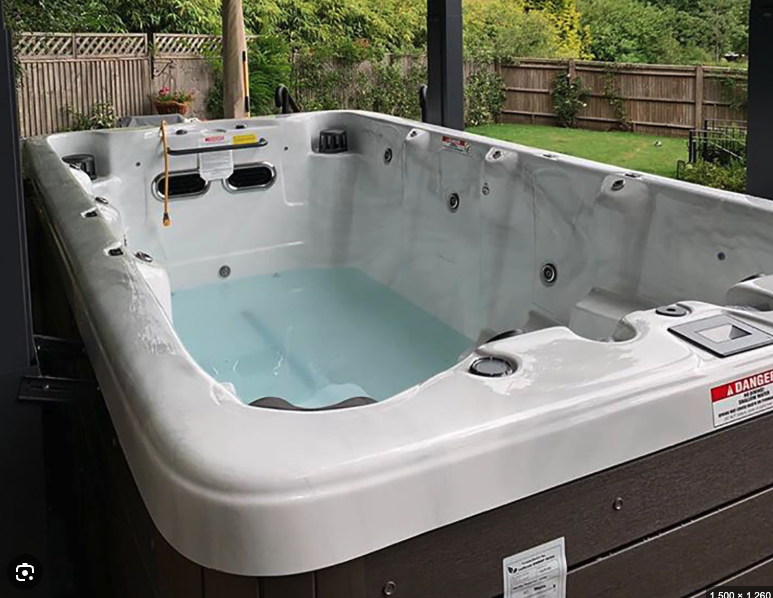
For home inspection purposes, treat a hot tub as a separate appliance with safety‑first priorities: electrical protection, scald/entrapment risk, structure, and leaks.
Scope and limitations
- Confirm your SOP and state rules (many treat hot tubs as “optional” or “out of scope” beyond basic operation and visible components).
- Make clear in your report that you are doing a limited, visual inspection; you are not pressure‑testing plumbing or disassembling equipment packs.
Electrical and bonding
- Verify the presence of a properly located GFCI device (breaker or receptacle) that trips and resets correctly when tested.
- Look for obvious electrical safety issues: open junction boxes, loose or exposed conductors, non‑weather‑rated devices, or extension cords feeding the tub.
- Look for bonding/grounding conductors to metal components (handrails, nearby metal structures) where accessible; note if not visible.
- Recommend evaluation by a licensed electrician if anything looks improvised, outdated, or damaged.
Location, access, and barriers
- Check clearances around the tub for safe access and egress; note trip hazards, unstable steps, missing or loose handrails, and slippery surfaces.
- For in‑ground or deck‑set tubs, look at barrier conditions: fencing, gates, covers, and any local requirements tied to drowning prevention.
- Report missing child‑resistant locks on covers where they are standard.
Shell, cabinet, and support
- Inspect the visible shell for cracks, crazing, blisters, staining, and obvious patch repairs that could indicate past leakage.
- Look at the cabinet and base for rot, rust, insect damage, or settling; note if the tub appears out of level.
- Where equipment is accessible through a service panel, use a flashlight to look for standing water, corrosion, or previous repair attempts, without dismantling piping.
Plumbing, jets, and leaks
- If the tub can be safely operated, run pumps on all speeds and cycle jets and features. Note non‑functional jets, noisy pumps, surging, or air in lines.
- Walk around the tub while it runs and again several minutes after shutdown, looking for active drips or pooling at the base, especially under the equipment bay.
- If the tub is winterized, covered, empty, or power is off, document these limitations and avoid guessing about hidden leaks or pump/jet performance.
Water quality and sanitation
- Visually assess water: clarity, color, foam, slime, strong odors, or heavy debris suggest poor maintenance.
- Ask occupants how they sanitize (chlorine, bromine, salt, etc.) and note the presence/absence of test kits and chemicals; you are not a pool tech, but you can flag obvious neglect.
- Consider using simple test strips to check basic sanitizer and pH; treat this as advisory only and recommend regular water testing and maintenance by a qualified spa service or owner.
Controls, heating, and accessories
- Operate the control panel if powered: verify that it responds, modes change, and no error codes are present.
- Check that the heater appears to function: note current temperature, set a higher setpoint early in the inspection, and re‑check later for a temperature rise (without guaranteeing specific performance).
- Inspect lights, blower, and any water features that will operate without exposing you to shock or damage risk; document anything inoperative.
Cover and safety features
- Inspect cover condition: tears, waterlogging (heavy and sagging), broken straps/locks, mildew, or delamination.
- Confirm that the cover fits reasonably well and can be secured to resist children and debris; recommend replacement when heavy, damaged, or not lockable.
- Note absence of signage or basic safety warnings where ordinarily supplied by the manufacturer.