
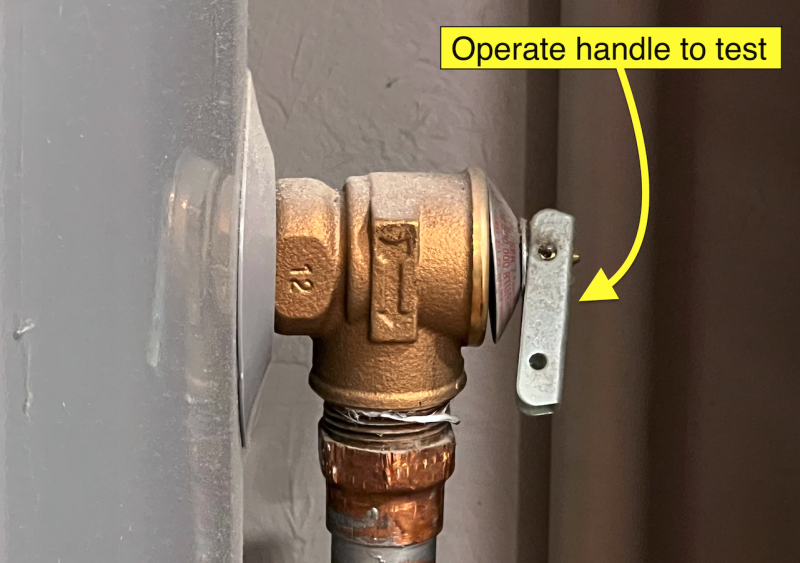
Most major water heater manufacturers do recommend that the TPR/T&P valve be manually operated (tested) on a regular schedule, typically annually or every 6–12 months, but there are some caveats in practice.[1][2][3][4][5]
What manufacturers generally say
- GE (example residential unit) specifies lifting and releasing the T&P lever once a year to make sure it operates freely and allowing several gallons to flush through the discharge line.[1]
- Rheem literature cited in trade guidance recommends inspecting and testing the T&P valve every 6 months, often tied to daylight-savings clock changes.[2]
- O. Smith’s annual maintenance checklist includes opening the T&P relief valve to relieve pressure and drain a few gallons as part of routine service.[3]
- Consumer- and trade-facing guidance reflecting manufacturer instructions commonly states that T&P valves should be tested every six months to a year by lifting the lever and confirming flow and proper reseating.[4][5]
Important practical considerations
- Older or long‑neglected valves may start to leak or fail to reseat after testing, which is why some plumbing and inspection organizations urge caution and sometimes recommend deferring manual testing on obviously corroded or very old valves to a licensed plumber.[6][7]
- Many industry sources also note that regular testing plus periodic replacement (every 3–5 years if needed) helps prevent the valve from seizing and maintains safety performance.[8][9]
So, strictly speaking, yes: most manufacturers’ written instructions do call for periodic manual operation/testing of the TPR/T&P valve, usually on an annual or semiannual schedule, even though some practitioners are hesitant to operate older valves that show corrosion or lack of maintenance history.