
Buy the template here, only $450
This is only a list of the onboard links to reference material available to inspectors any time they have the my Spectora CCPIA-compliant commercial template open.
You'll find them in the Reminder Windows (pencil icon) of both section and Item titles.
GENERAL INFORMATION
-
Occupancy Classification
- These occupancy classification links are from the International Code Council (ICC) Standard publications and are available here for free.On this page you can look up building occupancy classifications and definitions specific to each state/jurisdiction.
Be aware that occupancy classifications can vary depending on which standard has been adopted by a jurisdiction.For detailed information on Occupancy Classification, check the 2021 IBC
Section 302 Occupancy Classification and Use Designation- Group A 303 Assembly (1-5)
- Group B 304 Business
- Group E 305 Educational
- Group F 306 Factory (1-2)
- Group H 307 High-Hazard (1-5)
- Group I 308 Institutional (1-4)
- Group M 309.1 Mercantile
- Group R 210 Residiential (1-4)
- Group S 311 Storage (1-2)
- Group U 312 Utility
- These occupancy classification links are from the International Code Council (ICC) Standard publications and are available here for free.On this page you can look up building occupancy classifications and definitions specific to each state/jurisdiction.
-
Occupant Load
-
Find the IBC link for your state here! SECTION 1004 OCCUPANT LOADS
About Occupant Loads
Regulations related to occupant load can vary by building use. If your client intends to change the use they should be aware of this.
Parking stall requirements by occupancy
-
-
The 7 Types of Commercial Buildings
-
Exclusions from Scope
- Inspectors may wish to include this as part of their agreement instead of as a portion of the body of the report.
- Identifying capital improvements: Be careful to distinguish between capital improvements and repair/maintenance items designed to maintain the property in its designed condition.
- Inspectors may wish to include this as part of their agreement instead of as a portion of the body of the report.
-
Documents Provided and Reviewed
- Learn more about Document Review (CCPIA page)
-
Interviews Conducted
- The consultant should determine the point of contact (POC) to forward the pre-survey questionnaire so as to inquire about the subject property's:
- Historical repairs and replacements and their costs;
- Level of preventive maintenance exercised;
- Pending repairs and improvements;
- Frequency of repairs and replacements; and
- Existence of ongoing or pending litigation related to subject property’s physical condition.
- The consultant should determine the point of contact (POC) to forward the pre-survey questionnaire so as to inquire about the subject property's:
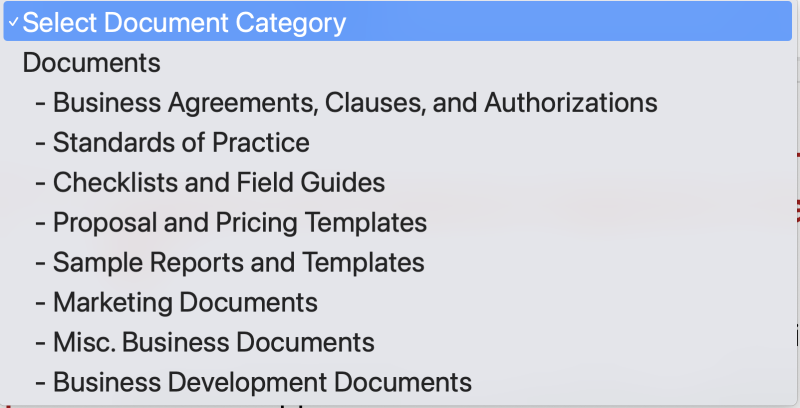
- CCPIA Document Links
- https://ccpia.org/documents/The link above provides CCPIA members access to the following types of documents:
ROOF
- Inspecting Commercial Roofs links to the following FM Global white pages:
- Inspection of Roof Assemblies
- Roof Systems
- Hail Damage
- Roof Loads and Drainage
- Perimeter Flashing
- Roof Anchorage
- 1-15 Roof mounted PV panels1-30
- Cooling Towers
- Existing PVC Roof Covers
- Field Verification of Roof Wind Uplift Resistance
- Repair of Single- and Multi-ply Roof Systems
- Repair of Wind Damaged Single and Multi-ply Systems
- Ceilings and Concealed Spaces
- Green Roof Systems
- Panel Roof Systems
- Safeguarding Torch-applied Roof Installations
- Roof-mounted PV Panels
-
General Roof Reference
-
Commercial Roof Reference
-
- This link provides access to:
- UP Codes building codes by jurisdiction (state/city) (free)
- ICC codes 20212 IBC (free)
- List of ICC roofing provisions
- List of books on low-slope roofing
FREE COURSES from VERSICO (An excelent source of free courses!
-
-
-
Roof Access and Inspection
- Means of Access
- In most jurisdictions, roofs that are 16' or more above grade are required to have permanently installed access (ladder or stairway).
- Means of Access
-
Roof Structure Exterior
- Parapet Wall
- Failed coping/cap often causes moisture damage to masonry walls, visible as mortar deterioration, dark stains, or effloresce on the wall exterior, often near the roof line or above windows.
- Parapet Wall
STEEP-SLOPE ROOF-COVERING MATERIALS
-
Underlayment
- Inspecting Underlayment
-
Asphalt Shingles
- Functional damage:
1. Shortens expected service life
2. Reduces ability of roof to shed water"Functional Damage" is an important term to insurance companies and shingle manufacturers. Take this definition into account when evaluating roofs.- Asphalt Shingle Inspection Concerns
- Properly Evaluating Shingle Bonding
- Voiding the Manufacturer's Warranty (not what you think)
- Shingle Cracking and Splitting
- Blisters VS Hail Damage
- Identifying Batch Problems
- Causes of Shingle Buckling
- Shingle Granule Loss
- Diagnosing Wind Damage
- Biological Growth
- Factors Affecting Shingle Aging
- Shingle Performance Comparison
- Controlling Ice Dam Growth
- Asphalt Shingle Inspection Field Guide, $18.99, by Kenton Shepard
- Asphalt Roofing Manufacturer's Association
- Functional damage:
-
Metal Roof
- Inspecting Metal Roofs
-
Concrete Tile
- Inspectors: These narratives are based on installation guides from the Tile Roofing Alliance. They may not completely apply to the areas in which you inspect (like South Florida!). Check to see what is required where you work.
- TRI Installation guides
- Concrete Tile Inspection Concerns;
- Minimum Slope and Headlap
- General Fastening Schedules
- Walking Concrete Tile
- Aging Characteristics of Concrete Tile
- Matching Historic Tile
- Tile Roof Inspection Field Guide PDF $18.99, by Kenton Shepard
- Inspectors: These narratives are based on installation guides from the Tile Roofing Alliance. They may not completely apply to the areas in which you inspect (like South Florida!). Check to see what is required where you work.
-
Clay Tile
- Inspectors: These narratives are based on installation guides from the Tile Roofing Alliance. They may not completely apply to the areas in which you inspect (like South Florida!). Check to see what is required where you work.
- TRI Installation guides
- Walking Clay Tile
- How Clay Tile Ages and Fails
- Clay Tile Fastening
- Clay Tile Flashing
- Biological Growth
- Matching Historic Tile
- Tile Roof Inspection Field Guide PDF $18.99, by Kenton Shepard
- Inspectors: These narratives are based on installation guides from the Tile Roofing Alliance. They may not completely apply to the areas in which you inspect (like South Florida!). Check to see what is required where you work.
-
Wood Shake Roof
- Wood Shake Inspection Concerns;
- Cedar Shake and Shingle Bureau:
- Wood Shake & Shingle Inspection Field Guide PDF $18.00
-
Wood Shingle Roof
- Wood Shingle Inspection Concerns;
- Cedar Shake and Shingle Bureau:
- Wood Shake & Shingle Inspection Field Guide PDF $18.00
Stone Slate
- Inspecting Stone Slate Roofs
- National slate association
- Slate Inspection Field Guide by Kenton Shepard $18.99
-
Composite Slate Roof
- Inspecting Composite Slate
- Exposure requirements: field slates 5"-9", ridge caps 9" max.
- Overhang at eaves: flush with drip edge
- Inspecting Composite Slate
SLOW-SLOPE ROOF MEMBRANES
- Glossary of Low-slope Terms (CCPIA)Many installation details are proprietary and should be reviewed by the inspector before walking the roof. If roof membrane information is lacking it may be possible to identify the manufacturer by a name applied to roofing components. Having an internet connection during the inspection may allow you to look up installation details while you are on the roof.
- Commercial Roof Systems (FM Global)Many installation details are proprietary and should be reviewed by the inspector before walking the roof. If roof membrane information is lacking it may be possible to identify the manufacturer by a name applied to roofing components. Having an internet connection during the inspection may allow you to look up installation details while you are on the roof.
- Identifying Membrane Manufacturers
- FREE COURSES from VERSICO
-
Warranty Requirements
- To avoid voiding the manufacturer's and/or contractor's warranty it's important that your client read and understand the warranty terms and conditions.Learn about warranties hereRoof "System" VS Roof "Assembly"
- The roof "system" includes all roofing components above (but not including) the roof deck.
- The roof "assembly" includes all roofing components including the roof deck.
- To avoid voiding the manufacturer's and/or contractor's warranty it's important that your client read and understand the warranty terms and conditions.Learn about warranties hereRoof "System" VS Roof "Assembly"
-
Built-up Roof
- Inspecting Built-up Membranes Identifying the Number of PliesRolls come in standard and metric sizes:Standard- 36" Metric 39 3/8"2-ply standard: 17-inch ply exposure2-ply metric: 18 9/16-inch ply exposure3-ply standard: 11 1/4-inch ply exposure3-ply metric: 12 7/16-inch ply exposure4-ply standard: 8 1/2-inch ply exposure4-ply metric: 9 5/16-inch ply exposure
-
Modified Bitumen
- Inspecting Modified Bitumen
-
EPDM Rubber
- Inspecting EPDM MembranesSingle-ply ManufacturersThe following list of EPDM manufacturers with links to their installation manuals, and where to look for (manufacturer identification marks).
- Carlisle Syn Tech: (EPDM embossed on boot flashing or membrane);
- Firestone;
- GenFlex;
- Johns Manville;
- Mule-Hide;
- Versico.
BOOKS on LOW SLOPE ROOFING
- Manual of Low-slope Roof Systems, C. W. Griffin and R. L, Fricklas, 2006
- Rooftop Detail Guide, Versico Roofing Systems
- Membrane Roof Systems, National Roofing Contractors Association (NRCA)
- NRCA Repair Manual Low-Slope Membrane Roof Systems, (NRCA)
FREE COURSES from VERSICO
- Inspecting EPDM MembranesSingle-ply ManufacturersThe following list of EPDM manufacturers with links to their installation manuals, and where to look for (manufacturer identification marks).
-
Thermoplastic Polyolefin (TPO)
-
- Inspecting TPO membranes
- TPO Manufacturers: The following list of TPO roof membrane manufacturers with links to their installation manuals, and where to look for (manufacturer identification marks).
- Carlisle Syn Tech;
- Cooley:(embossed on the seam if it's there at all);
- Firestone;
- GAF;
- GenFlex:(embossed on plumbing vent flashing);
- Johns Manville;
- Mule-Hide;
- Tremco; and
- Versico.
-
-
Polyvinyl Chloride (PVC)
- Inspecting PVC membranesGlossary of Low-slope Terms (CCPIA)Single-ply ManufacturersThe following list of PVC roof membrane manufacturers with links to their installation manuals, and where to look for (manufacturer identification marks).
- Carlisle Syn Tech;
- Cooley: (embossed on the seam if it's there at all);
- Duro-Last: PVC (embossed along seams);
- GAF;
- GenFlex;
- IB Roofing: (Embossed on seams and on 10" vent caps);
- Johns Manville;
- Mule-Hide;
- Sika Sarnafil;
- Sika-Trocal: (embossed in the field); and
- Versico.
BOOKS on LOW SLOPE ROOFING
- Manual of Low-slope Roof Systems, C. W. Griffin and R. L, Fricklas, 2006
- Rooftop Detail Guide, Versico Roofing Systems
- Membrane Roof Systems, National Roofing Contractors Association (NRCA)
- NRCA Repair Manual Low-Slope Membrane Roof Systems, (NRCA)
FREE COURSES from VERSICO Cover a wide variety of roof subjects
- Inspecting PVC membranesGlossary of Low-slope Terms (CCPIA)Single-ply ManufacturersThe following list of PVC roof membrane manufacturers with links to their installation manuals, and where to look for (manufacturer identification marks).
LOW-SLOPE ROOF DRAINAGE
-
Internal Roof Drainage Description
- In-roof drains route unoff to leaders that discharge to the building exterior. (6 images)
-
Roof Surface Drainage
- Water pooled on the roof 48 hours after precipitation has stopped indicates inadequate drainage.
- Inspect the membrane where it transitions into the drain for splits, voids, open seams, failed mastic, or patchwork repairs;
- Look for blistering, crazing, or surface cracking in the ponding zone around the drain, which often indicates prolonged standing water; and
- Look for evidence of past overflows or backups at the roof surface (staining rings, sediment lines, moss/organic growth radiating from the drain)
-
Primary Internal Roof Drains
- Located at a low point on the roof;
- Verify a secure, undamaged, unclogged strainer/cover is present;
- The clamping ring (on membrane systems) is present, tight, and evenly seated, with membrane properly captured—not bunched, cut, or pulled away;
- Look for corrosion, cracking, or damage to the drain bowl and flange;
- Inspect the membrane where it transitions into the drain for splits, voids, open seams, failed mastic, or patchwork repairs;
- Look for blistering, crazing, or surface cracking in the ponding zone around the drain, which often indicates prolonged standing water; and
- Look for evidence of past overflows or backups at the roof surface (staining rings, sediment lines, moss/organic growth radiating from the drain); (4 images)
-
Secondary (overflow) Internal Roof Drains
- The secondary drain inlet (or weir) must be not less than 2 inches above the roof surface at the drainage low point.
- The maximum height is limited by structural design: the water depth at which the secondary drains activate cannot exceed the ponding depth the roof was designed to carry per ASCE 7 / local structural requirements.
- On a low-slope roof with internal drains and parapets, this usually means the secondary drain bowl or weir is set 2–4 inches above the primary drain elevation, but it can be more or less if the structural design and slope/ponding calculations support it.
- Leaders
- Leader configurations will vary according to the type of drains used. (2 images)
EXTERIOR
EXTERIOR WALL COVERINGS
-
Brick Cladding
- Brick Industry Association TECHNICAL NOTES and BRIEFS are excellent sources of brick info.
- Inspecting Brick Walls
- Brick Industry Association TECHNICAL NOTES and BRIEFS are excellent sources of brick info.
-
Structural Brick
- Structural brick walls are inner and outer walls of brick, typically connected to each other with header bricks, metal tie straps, or wire ties. The space between them has sometimes been filled with grout and masonry rubble.
- Inspecting Brick Walls
- Structural Brick Wall Failure
- Brick Cladding VS. Solid Masonry Walls
- Structural brick walls are inner and outer walls of brick, typically connected to each other with header bricks, metal tie straps, or wire ties. The space between them has sometimes been filled with grout and masonry rubble.
-
Composite Siding
- LP Smartside composite siding is common nationwide. Their installation instructions will be similar for composite siding made by other manufacturers.
- Inspecting Composite (LP Smartside)
-
Fiber-cement Siding
- Inspecting Fiber-cement Siding
- Inspecting HardiePlank (fiber-cement) Siding
-
Stucco/EIFS
- High Liability Warning!Inspectors without special training should disclaim inspection of EIFS, DEFS, and hard coat stucco. Training is offered by both InterNACHI and the Exterior Design Institute. The installation of stucco type materials can vary widely by manufacturer, and manufacturers can make changes to their installation requirements at any time. Some required components are readily visible only during construction. A huge number of buildings nationwide have had these materials installed improperly. It's OK to comment on obvious defects, but be sure to include language or DISCLAIMER explaining that you are not performing a full stucco inspection.
-
Vinyl Siding
- Inspecting Vinyl Siding
- Vinyl Siding Installation Manual (Vinyl Siding Institute)
-
Wood Siding
- Inspecting Wood Siding
-
Manufactured Stone Veneer
- Inspecting Manufactured Stone veneer (2 images)
TOPOGRAPHY and STORMWATER DRAINAGE
- Stormwater management systems
- Drywell definition
PARKING LOT
- Capacity
- The number of parking stalls required for different building uses is published in "Parking Generation" by the Institute of Transportation Engineers.
- Parking stall configuration:
- Lot layout and Standard Dimensions
GARAGE
- Fire Separation
- For fire wall/ceiling separation provisions, go hereSome jurisdictions amend this to require 5/8‑inch Type X on all dwelling‑garage separations, so local code check is crucial (example: Westminster, CO adopts 5/8‑inch Type X at all separations).For local codes, go here, choose your jurisdiction, and scroll to the relevant provisions.
- Stairs to Interior
- 2021 IBC Stairways
- Garage Electrical
- Beginning with the 1978 National Electric Code (NEC), electrical receptacles in garages have required GFCI protection .
- Some jurisdictions allow one electrical receptacle in the garage to remain free of GFCI protection to avoid spoilage of food in the freezer from nuisance tripping.
- Beginning with the 2017 National Electric Code (NEC), garages have required at least one dedicated 20-amp electrical receptacle. Before 2017, the code allowed the required garage receptacle branch circuit to be 15‑ or 20‑amp, and lighting could be on that circuit.
EXTERIOR STAIRWAYS
- 2021 IBC Stairways
Inspecting Commercial Stairs (CCPIA) (Access may require CCPiA membership)
- UP Codes, 2021 IBC: Section 1011 StairwaysUse this link to look up the Stairway standards for your jurisdiction.
- 1011.2 Width and Capacity (48" [1219 mm] minimum)
- 1011.3 Headroom
- 1011.7.4 Enclosures Under Exterior Stairways
- 1011.8 Vertical Rise (12' [3658 mm] maximum between landings/floors)
LOADING DOCKS
- Loading Dock Inspection Standards
- LOADING DOCK STANDARDS
- Apron Approach Slope
- The type of loading equipment determines the maximum approach slope (shown as a percentage)
- Electric powered equipment: 10% max.
- Gas or Diesel equipment: 15% max.
- Approach slopes that are too steep may result in poor seal at the door.
- Inclines slope up to the dock
- Declines slope down to the dock
Calculating Slopes as a Percentage
To calculate slopes as a percentage... (continued in the template)
- The type of loading equipment determines the maximum approach slope (shown as a percentage)
- Dock Levelers/ Plates/ Boards
- Dock Levelers are not required to be inspected by the CCPIA SOPs.The 27 page Loading Dock Standards document will answer most questions that you may have about inspecting loading docks, especially covering the narratives included in the InterNACHI Narrative Library Commercial template.
- Trailer Restraints
- Inspecting Trailer Restraints
STRUCTURAL FRAMING
- Roof Structure: Conventional Framing
- Inspecting Conventional Roof Framing
- Inspecting Commercial Roofs(contains 18 additional links to white papers from FM Global)
- Roof Structure: Truss Roof
- Inspecting Truss Roof Framing
- Roof Structure: Low-slope
- Inspecting Commercial Roofs (contains 18 additional links ...)
HEATING and VENTILATION
- Building Intelligence Center: For $15 a year the Building Intelligence Center assists home inspectors in decoding the age of HVAC equipment, water heaters, other appliances, and other useful information. An excellent resource!
- Inspecting Heat Pumps
- Inspecting Mini-Splits
- National Fireplace Institute: Provides training for inspectors and allows clients to find qualified inspectors or technicians.
ELECTRICAL
- List of electrical utility companies by state.
- Electrical: 3-Phase
- 3-phase Electrical Checklist This link takes you to a comprehensive checklist for the inspection of 3-phase electrical systems.
- Inspecting Electrical Raceways This link takes you to a comprehensivechecklist for the inspection of different raceway types.
- Inspecting Electrical Transformers This link takes you to a comprehensive checklist for the inspection of transformers.
- Electrical: single-phase
- Single-phase Electrical Checklist This link takes you to a comprehensive checklist for the inspection of single-phase electrical systems.
DOORS, WINDOWS, and INTERIOR
- Interior Stairway
- Use the following link to look up the stairway-related standards for your jurisdiction: UP Codes, 2021 IBC:
- Inspecting Commercial Stairs (CCPIA) (Access may require CCPiA membership)
- 2021 IBC StairwaysSection 1011 Stairways
- 1011.5.2 Riser Height and Tread Depth
- 1011.5.5.3 Solid (and open) Risers
- I-3 (must have solid treads)
- F (Factory, must have solid treads))
- H (High-hazard, must have solid treads)
- S (Storage, must have solid treads)
- 1011.5.4.1 Nonuniform Height Risers (Where the bottom or top riser adjoins a sloping public way,...)
- 1011.5.5 Nosing and Riser Profile
- 1011.7.3 Enclosures Under Interior Stairways
- 1011.8 Vertical Rise
- Elevator/Escalator Visual Inspection Checklist This is a link to a comprehensive checklist for the inspection of elevators and escalators, compliant with ASME A17.1-2025 /CSA B44-2025
POOL and SPA
- Inspecting Swimming Pools This page contains a comprehensive checklist and also links to pages on inspection of various individual pool systems and components.
COOKING FACILITIES
- Commercial Kitchen
- Commercial Kitchen Inspection Checklist
- Commercial Kitchen Ventilation Requirements
- Commercial Kitchens: Make-up Air
- Mechanical Transportation
- Elevator/Escalator Visual Inspection Checklist This is a link to a comprehensive checklist for the inspection of elevators and escalators, compliant with ASME A17.1-2025 /CSA B44-2025
Spectora